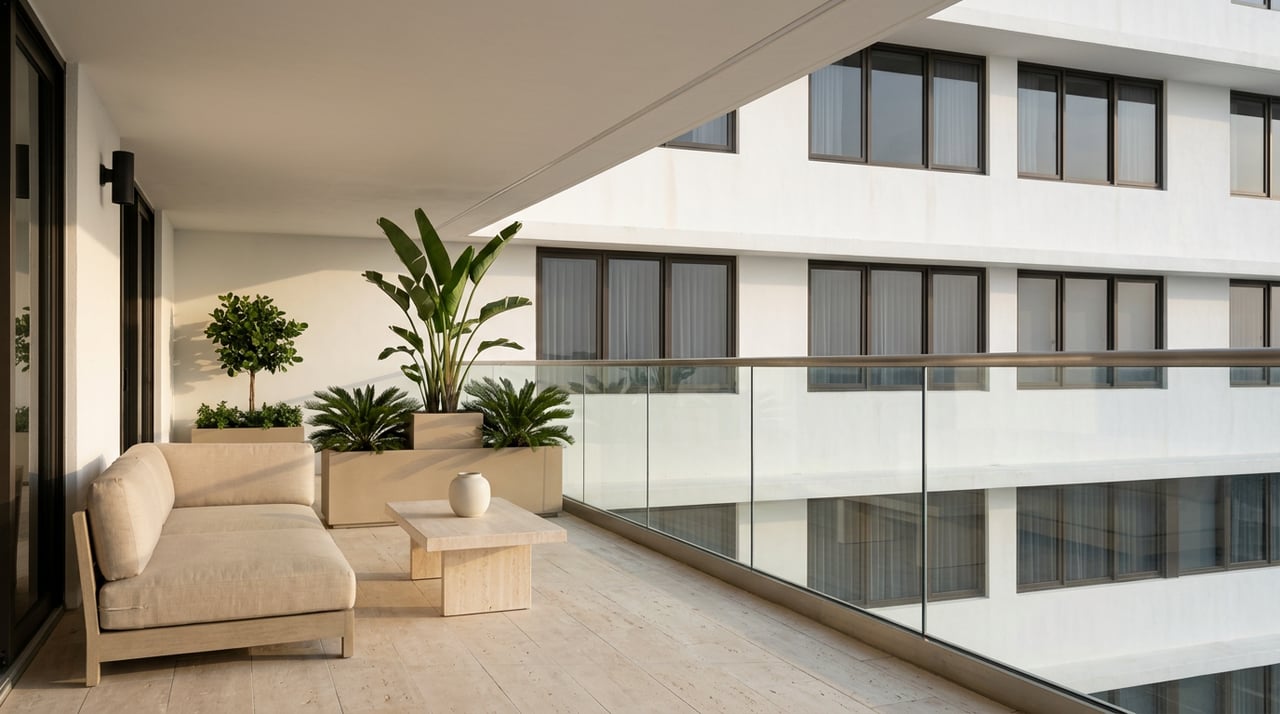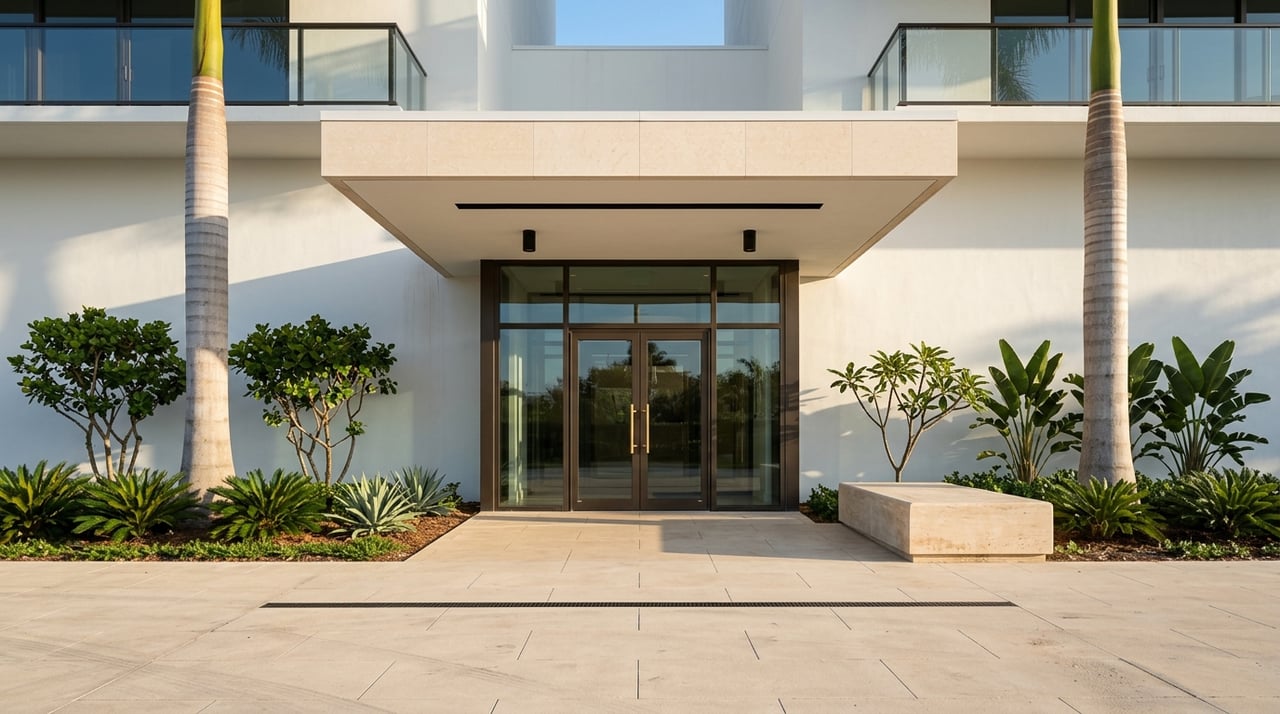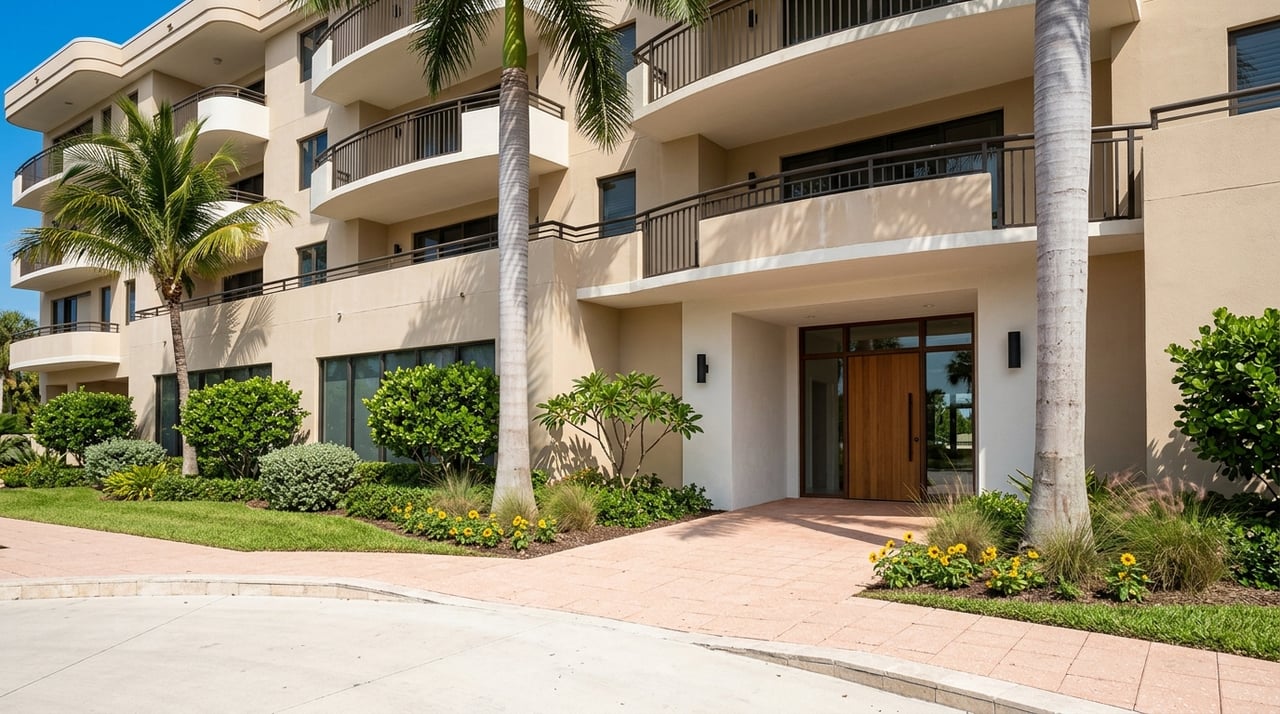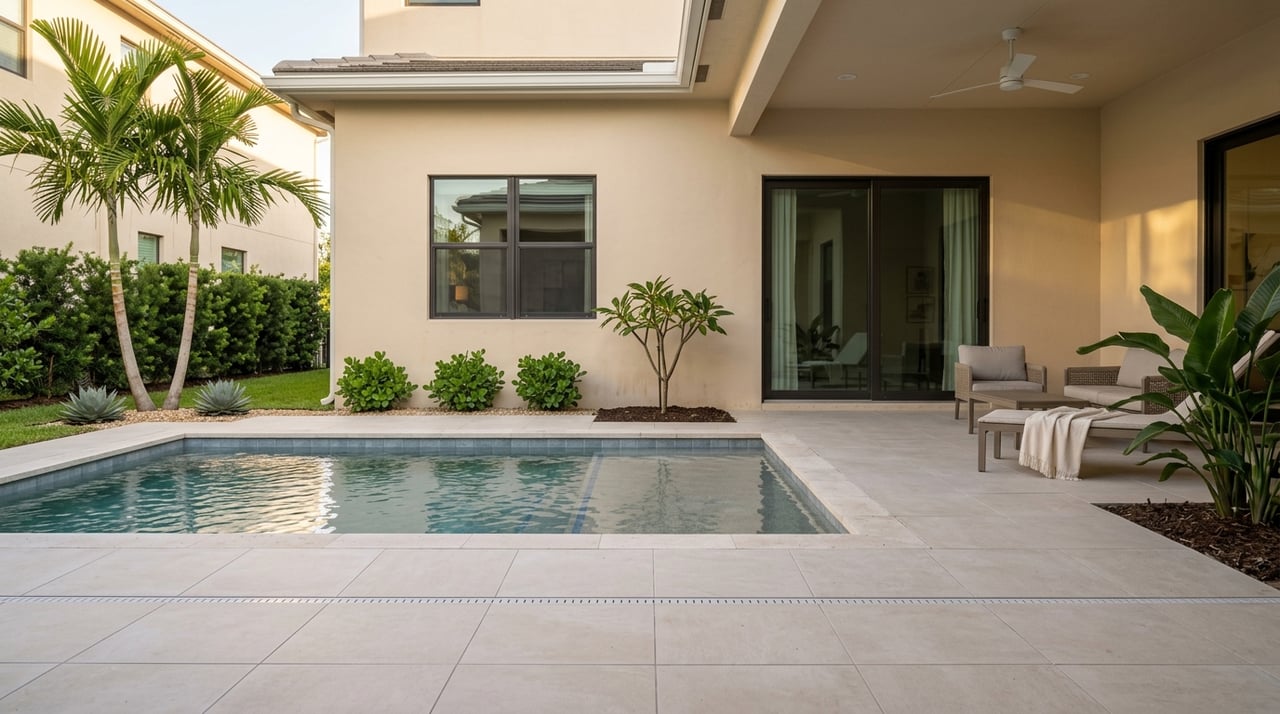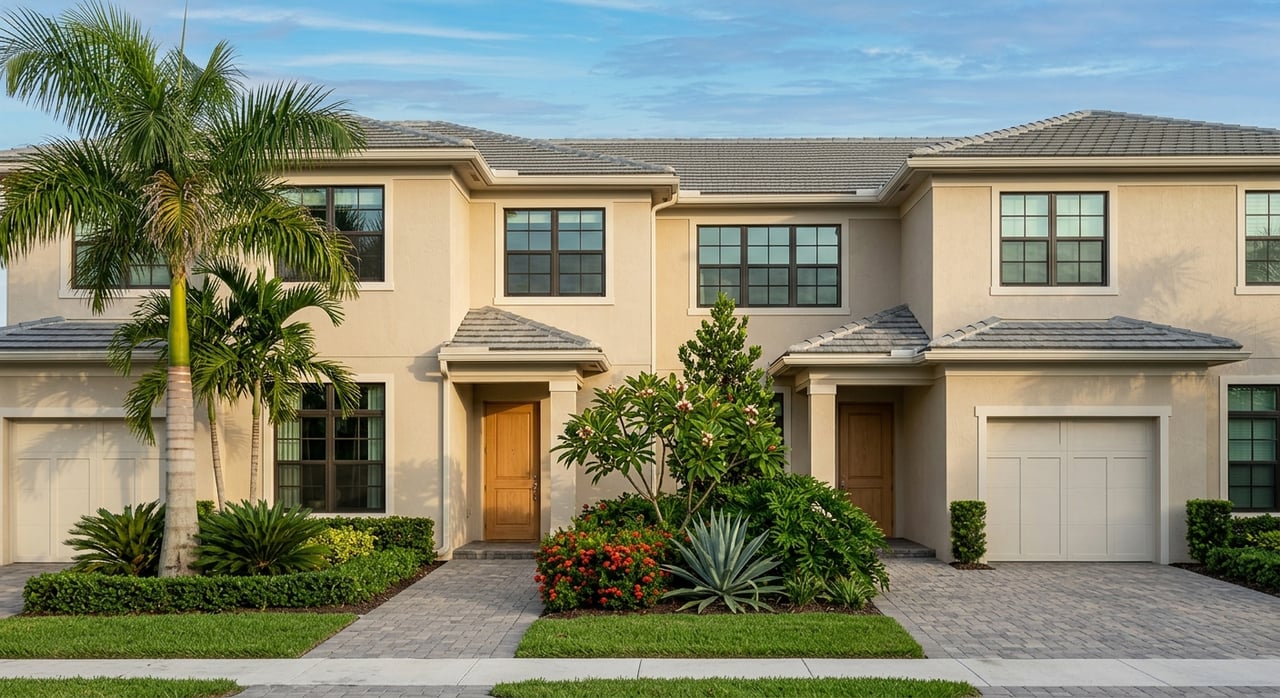
You do not need the "perfect" property type. You need the one that fits your budget, your daily routine, and your long-term plan. If you are deciding between a townhome and a house in Pembroke Pines, the choice can feel bigger than square footage alone because monthly costs, maintenance, and community rules all shape how ownership feels over time. This guide will help you compare the trade-offs clearly so you can move forward with more confidence. Let’s dive in.
Why this choice matters in Pembroke Pines
Pembroke Pines is a large Broward suburb with 176,714 residents, and about 69.6% of homes are owner-occupied. That matters because this is a city where many buyers are making long-term ownership decisions, not just short-term moves.
It is also a place where planned communities and HOAs are part of the local housing landscape. The city’s parks master plan notes that much of central and western Pembroke Pines developed as planned unit developments, often organized around lakes and neighborhood-scale recreation.
That means your decision is not just townhome versus house in a general sense. In Pembroke Pines, you are often comparing different ownership structures, different monthly costs, and different lifestyle setups within a community-focused market.
Price gap: townhome vs house
The biggest difference for many buyers is the upfront price. In Q1 2026, the median sale price for single-family homes in Pembroke Pines was $665,000, while the combined townhouse-and-condo category had a median sale price of $255,000.
That is a $410,000 gap. It also means the attached-home category was priced at roughly 2.6 times less than the single-family segment, although the local report combines townhomes and condos, so that figure works best as a pricing proxy rather than a townhome-only number.
If you are trying to keep your purchase price lower, a townhome may open the door sooner. If you have more room in your budget and want more private control over the property, a house may be the better fit.
Monthly cost matters more than price alone
Purchase price is only part of the story. In Pembroke Pines, the Census reports median selected monthly owner costs with a mortgage at $2,539, and median gross rent at $2,046.
Those numbers show why your true carrying cost matters. A lower-priced townhome can still feel expensive if HOA dues, insurance, or special assessments stretch your monthly budget, while a house with no HOA or lower fees may give you more control over how you spend on upkeep.
When you compare options, look beyond the mortgage payment. You want to understand the full monthly picture, including:
- Mortgage payment
- Property taxes
- Insurance
- HOA or condo dues
- Expected maintenance and repair costs
- Any recent or likely special assessments
Inventory and competition look different
The local market also shows different buying conditions depending on property type. In Q1 2026, Pembroke Pines had 3.3 months of supply for single-family homes and 8.6 months of supply for townhouses and condos.
That is a meaningful difference. Attached-home inventory was more than double the detached-home inventory, which usually gives buyers more choices in the townhome segment.
The pace of the market backs that up. Single-family homes reached contract in a median 47 days, while townhouses and condos took 69 days.
For you, that may mean:
- Houses can feel tighter and more competitive
- Townhomes may offer more time to compare options
- Attached homes may give you more negotiating room in some cases
Maintenance: what are you really taking on?
This is where the right choice often becomes clearer. A single-family house usually puts most exterior upkeep on you, including the roof, yard, exterior paint, drainage, and general repairs.
With an attached property, the setup may be different. Under Florida condominium law, the association is generally responsible for common-element maintenance, repair, and replacement as defined by the declaration.
That can reduce your day-to-day exterior workload. But it does not mean you should assume everything is covered, because the governing documents decide who handles specific items.
Before you choose a townhome, ask exactly who is responsible for:
- Roof repairs or replacement
- Exterior walls
- Windows and doors
- Patios or balconies
- Drainage issues
- Landscaping
A house often gives you more control, but also more responsibility. A townhome may reduce some upkeep, but you need to know where your responsibilities begin and end.
HOA rules and fees are part of the decision
In Pembroke Pines, HOAs are not a side detail. They are often central to how a community functions.
Florida HOA law requires a prospective buyer to receive a disclosure summary stating that the purchaser will be a member of the homeowners’ association, will pay assessments and special assessments, and should read the covenants and governing documents before buying.
That is why HOA fees should never be treated as just another line item. They are part of the real cost of ownership, and the rules can shape everything from parking and exterior changes to common-area use.
Florida law also says common areas and recreational facilities must be available to parcel owners and their invited guests for their intended use, subject to reasonable rules adopted by the association. For many buyers, that is the trade-off: less personal maintenance in exchange for shared rules and ongoing dues.
Lifestyle trade-offs in Pembroke Pines
Some buyers picture a house as the obvious upgrade. In Pembroke Pines, the answer can be more nuanced because the city already offers a strong public recreation setting.
The city parks map lists more than 30 parks and recreation facilities, and the city’s parks master plan is aimed at improving parks, recreation, and cultural arts offerings. That means even if you choose a home with a smaller private outdoor area, you are still living in a city with meaningful access to public amenities.
The same master plan also notes that many neighborhoods, especially in central and western Pembroke Pines, were shaped by planned developments around lakes and neighborhood recreation features. That helps explain why some townhome communities feel amenity-rich even when private lots are smaller.
In general, the trade-off looks like this:
Townhome lifestyle
A townhome may fit you well if you want:
- A lower entry price
- Less exterior work
- Shared amenities
- A more structured community setting
- Less private yard space to manage
House lifestyle
A house may fit you better if you want:
- More private outdoor space
- More control over exterior decisions
- More room for storage or future changes
- Fewer shared walls
- More flexibility in how you use the property
Neither option is automatically better. The better fit depends on how you want to live and how involved you want to be in upkeep and decision-making.
Flexibility over the long term
Think about your next few years, not just your next few months. If your plan includes future exterior changes, added storage, more gardening space, or a higher level of control over the property, a single-family house will often offer more flexibility.
Attached homes can come with limits on exterior changes, common-area use, and other property decisions. Those limits are not always a problem, but they can matter a lot if you expect your needs to change.
If your priority is getting into the market at a lower price point and keeping the ownership experience more streamlined, a townhome may line up better with your goals. In Pembroke Pines, the larger attached-home supply and much lower median pricing make that path especially relevant.
What to review before making a final choice
If you are comparing a Pembroke Pines townhome with a house, use the same review process for both. The goal is not just to find a property you like. It is to understand the total cost, the responsibilities, and the limits before you commit.
Here is a smart checklist to use:
For a townhome
- Review the HOA or condo budget
- Check reserve funding
- Ask about special-assessment history
- Review rental rules if future leasing matters to you
- Confirm who handles roofs, walls, windows, patios, and drainage
- Read the declaration and governing documents carefully
For a house
- Estimate near-term roof, exterior, and yard costs
- Review drainage and exterior maintenance needs
- Confirm whether there is an HOA and what it covers
- Budget for repairs that would be your direct responsibility
- Consider how much time and money you want to put into upkeep
A simple way to decide
If you are still stuck, ask yourself three questions:
What payment feels comfortable every month?
A house may offer more independence, but the higher purchase price can change the full monthly picture. A townhome may cost less upfront, but dues and assessments need to be part of the calculation.
How much maintenance do you want to handle?
If you do not want to manage as much exterior work, a townhome may feel easier. If you prefer direct control and do not mind the responsibility, a house may suit you better.
How much flexibility will you need later?
If your future plans include customization, extra storage, or more private outdoor use, a house often gives you more room to adapt. If simplicity and lower entry cost matter more, a townhome can be a strong fit.
The right answer is not about trends. It is about choosing the property type that supports your budget, your time, and your goals.
If you want clear, local guidance as you compare Pembroke Pines townhomes and houses, Eric Davis Inc. can help you break down the numbers, review the trade-offs, and negotiate with your long-term plan in mind.
FAQs
Is a townhome usually cheaper than a house in Pembroke Pines?
- Based on Q1 2026 market data, yes. Pembroke Pines single-family homes had a median sale price of $665,000, while the combined townhouse-and-condo category had a median sale price of $255,000.
Do Pembroke Pines townhomes usually have more inventory than houses?
- In Q1 2026, yes. Pembroke Pines had 8.6 months of supply for townhouses and condos versus 3.3 months of supply for single-family homes.
Do houses sell faster than townhomes in Pembroke Pines?
- In Q1 2026, single-family homes reached contract in a median 47 days, while townhouses and condos reached contract in a median 69 days.
What should you review before buying a townhome in Pembroke Pines?
- Review the HOA or condo budget, reserve funding, assessment history, rental rules, and the governing documents that explain responsibility for roofs, walls, windows, patios, and drainage.
Is a house better if you want more control over the property?
- Often, yes. A single-family house usually gives you more private outdoor control and more flexibility for future changes, while attached homes often come with HOA or condo rules that can limit exterior decisions.